
Grief Thought
One Page at a Time


Journaling serves as a private, non-judgmental sanctuary where you can express your emotions of loss. Grief can feel like an overwhelming tangle of sadness and confusion, but the act of putting pen to paper helps to transfer pain into language.
Grief is a heavy experience and writing can be a powerful way to move that energy out of your body and mind and onto the page. I started writing my journal weeks after my daughter, Morgan, passed. I could only write just a few thoughts, not even in complete sentences. Honestly at the time, that was all I could do. About three months into my grief, I remember writing about the unexpected snow we had and how I felt when it was on her grave. It was like a covering going over her and something I had a tough time dealing with at the time. I wrote in my journal and found a peace knowing she was not there in the cold and snow. She was safe in her heavenly home.
I share many of the prompts I used during my yearlong journal writing and the satisfaction it gave me, even though no one else read a word. Some of these prompts were used when I needed to talk to my daughter.
· The Direct Connection
“The Unsaid Letter” gives you a chance to write everything you didn’t get to say and maybe explain things left unsaid. Getting out your intentions lets you have a moment of release to anything bothering you at the time.
Another prompt is” A Seat at the Table”. This describes a typical dinner today served with your loved one there. With Morgan, I know it would include some kind of chocolate for dessert. What would you tell them about your life right now? I would share my grief work and how there is a missing part of my life now that she is gone.

· Processing through Physical Senses
Grief often lives in the senses that are vivid to recall. These prompts are used to ground yourself in their memory. Choose one memory and list what you smelled, heard, touched, and saw. The sense I yearn for the most is hear her laughter and those memories are the most prominent.
One prompt asks about places that remind them of your loved one. Where did they love to go? A favorite store, park, or vacation spot can be remembered and write why that spot holds weight. I think Morgan’s place would be the beach. The sand and surf would be her favorite place to relax and enjoy.
Another prompt is to pick one physical item you still have. Describe its history, and why you can’t bring yourself to part with it. I wrote about Morgan’s jewelry. She loved a cross necklace that she got at church when she graduated from high school, and I wear it most every day. It is something tangible that I can hold on to and it reminds me of her. It could be anything from toys to clothes to a particular picture that is dear to your heart.
· The New “Normal”
Explore how you have changed since your loss. What part of you feels lost, and what parts are emerging? I will always have a part of my heart missing Morgan. That will never change as long as I live. But I do see the deep grief of others like I have never seen before. I do celebrate each day because I have learned that you are not guaranteed tomorrow.

Describe the specific time of the day when grief feels the heaviest. If not a time in the day, then the specific day of the year. Every year her birthday is hard thinking I have lived another year with her gone. Also, her “date” that we lost her is difficult. Celebrating birthdays and anniversaries in a big or small way acknowledges them and honors their memory.
· Self-Compassion
If a close friend were going through what you are feeling right now, what would you say to them? How would you comfort others in a way that would also help you? I would want someone to listen and just be with me in my darkest time. Bringing someone that would not instruct you what to do, but instead would let you share your feelings, not hide them.
· Creative Release
Sometimes direct reflection is too difficult to write down. These ideas use metaphors to bridge the gap. Imagine if your grief were a storm, a fog, a snowstorm, or a heatwave. What would it look like or feel? I can attest that my grief has been all the above. At times it is a storm and fury with my emotions. Other times it is dense fog, making it hard to see and remember details. The extreme weather of snowstorms or heatwaves can hit your grief unannounced with triggers that bring tears to my eyes. Your answer will depend on the season of grief you are going through and it will never stay the same.

Another prompt can be a conversation between joy and sorrow. A short dialogue between these two emotions as they coexist inside you. A never-ending journey of emotions which are constantly courter-acting one another.
· Their Legacy
What is a lesson, a habit, or a personality trait of your loved one that you find yourself carrying forward? It could be a holiday ritual they enjoyed that you continue each year, or a generous spirit in helping others that you continue. Did they like having a garden or flowers? A memory garden could be planted in remembrance of them. I have a scholarship foundation in memory of Morgan that helps students attend college that could not afford otherwise to go. Let the good points of your loved one shine on this journal prompt by remembering their positive traits.

I learned as a grief counselor that it helps to write your feelings to keep you from being over-whelmed. It is not always an easy task and many people struggle writng them down. A timed-release exercise in which you set a timer for only five minutes or ten and write. When the timer goes off, put down your pen, and close your notebook till the next day. Going back the next day can include another timed writing session. These short bursts of writing can help get you with a gentle start instead of diving into so many emotional situations.
Whether you jump in with both feet to your writing journal, or must be coaxed once a week, writing can help sort out your emotions and help process grief. By giving your sorrow a dedicated space to exist outside of your mind, you can begin to have a new “normal” with a sense of clarity and self-compassion.
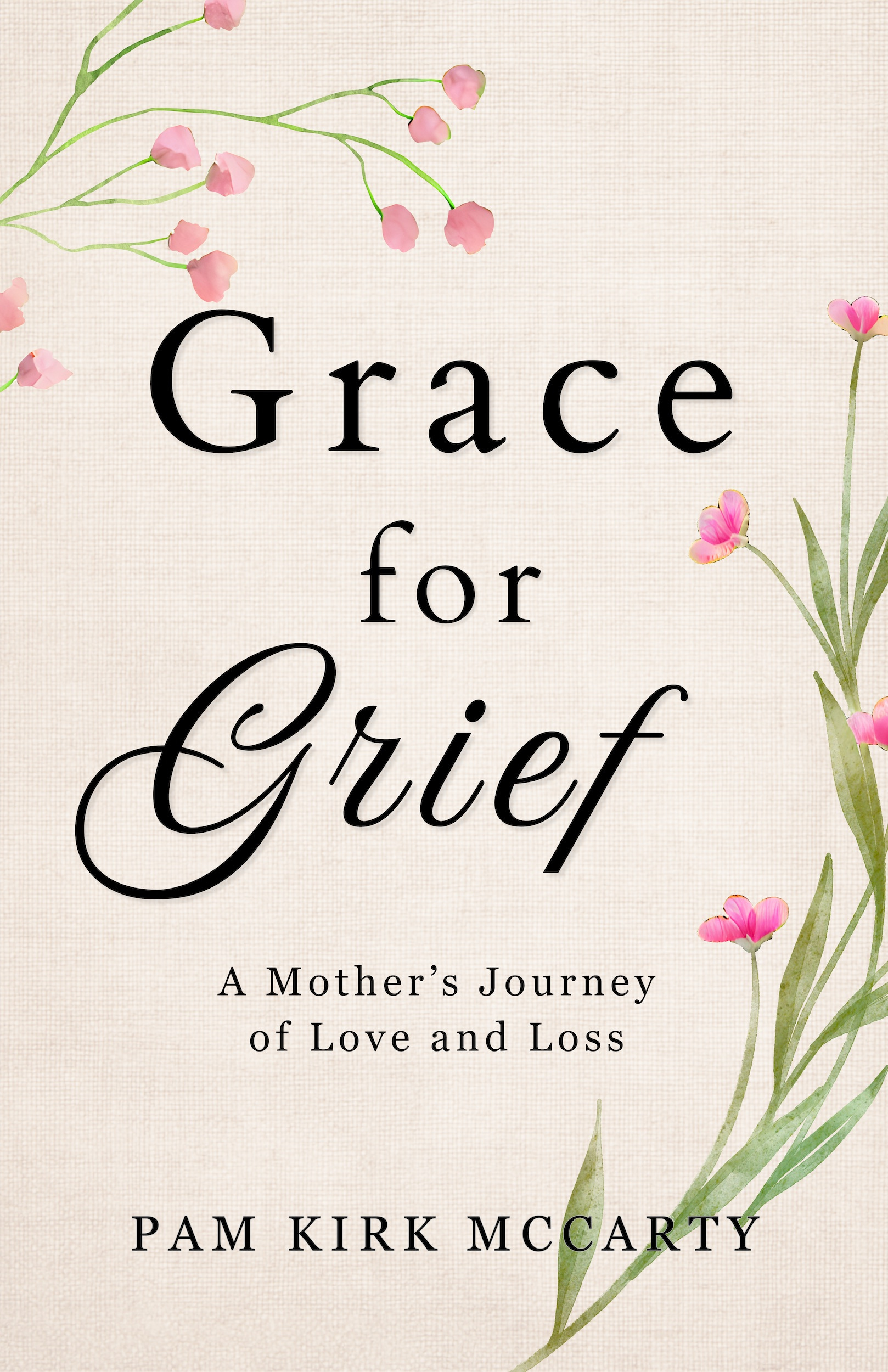
Coming soon, excerpts from my book, Grace for Grief.

hoto by Andres Molina on Unsplash
Pam, I've never seen your counseling in action, but I've read your words – and I have no doubt you've been a gift to other grieving families.
Wonderful ideas of using your writing to heal your grief, Pam. It helped me to put words on paper when the emotions became too overwhelming to say out loud. Sending peace. 🤍